2017年4月19日 星期三

徐旭帆牧師及家人來訪

#2017-0419

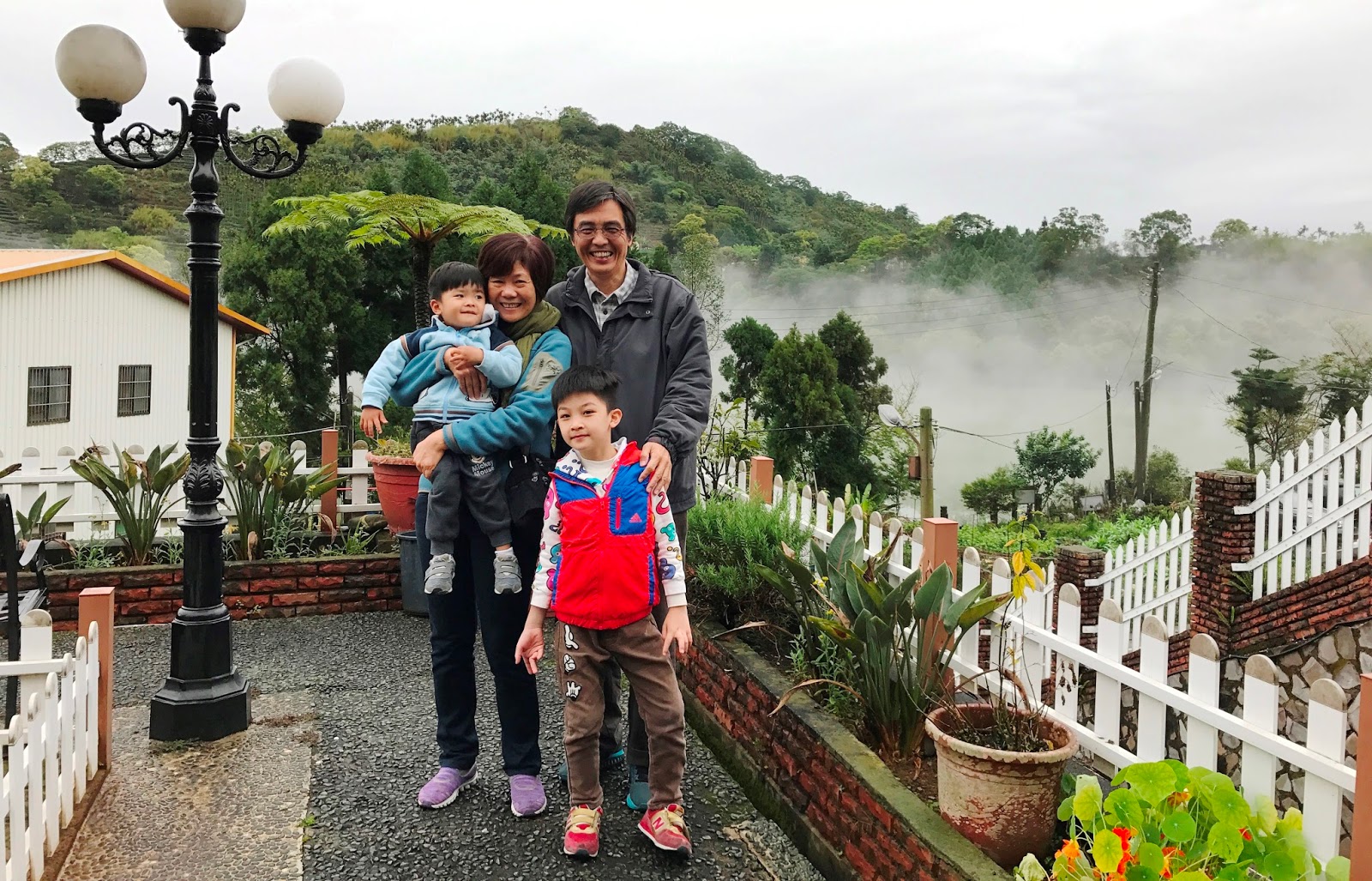
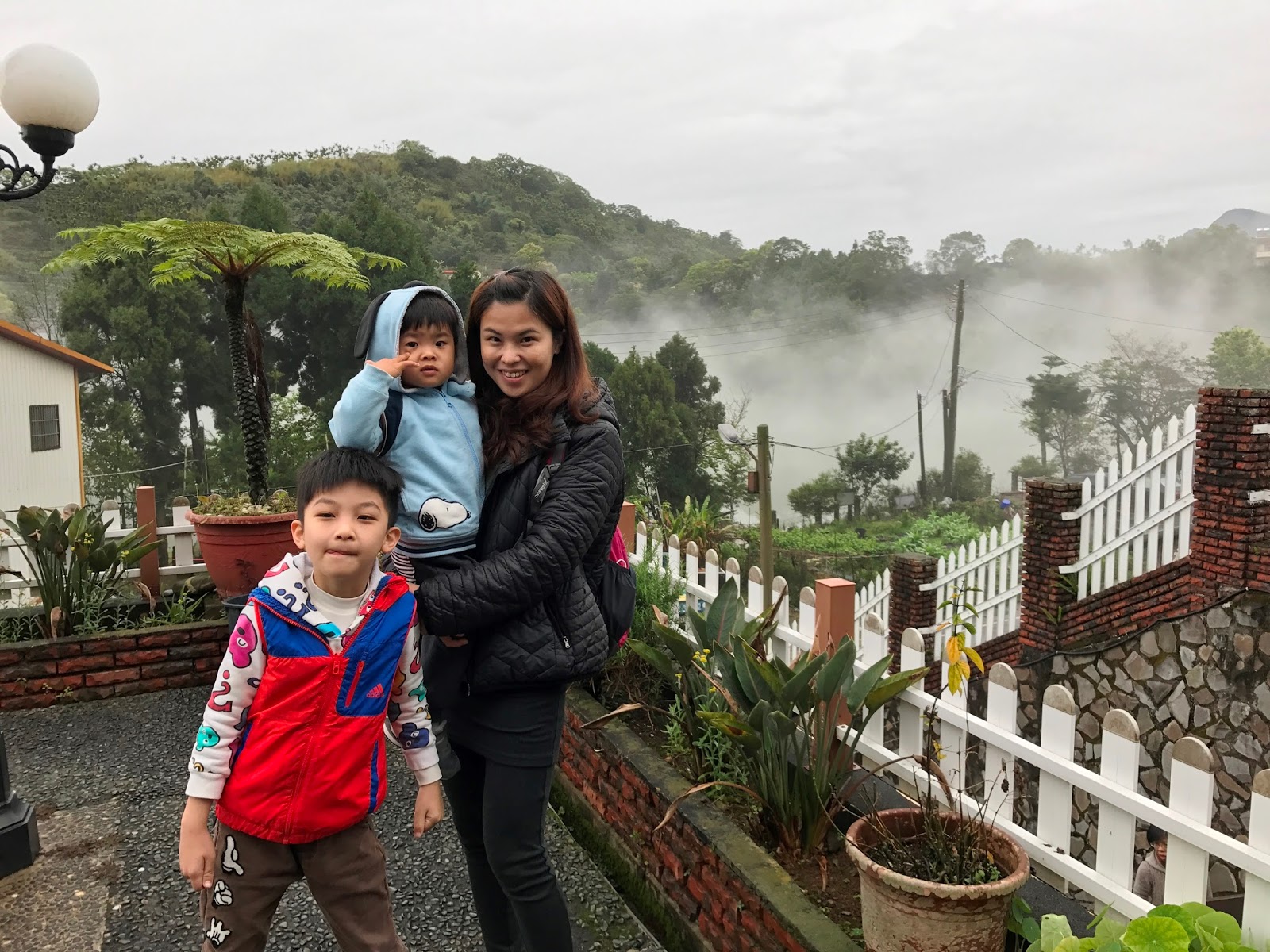
I was very pleased to meet the Rev. Tsui Yuk Fan (徐旭帆牧師, Rector of St. Mary's Church, Hong Kong) and his wife and their daughter here in Taichung today. They're on vacation, having a short visit to Taiwan. They went to Tunghai University (THU) as soon as they arrived in Taichung, because Rev. Tsui's son studies music right there.

It so happened that my son, Antony, returned home for a short vacation after Holy Week and Easter Sunday. He has been studying at Sheng Kung Hui Ming Hua Theological College for nearly three years, and in this term being given practical training at St. Mary's Church under Rev. Tsui's supervision and guidance. So, a lot of thanks to the Lord, I had the opportunity to meet Rev. Tsui and his family today, together with Antony, who introduced them to me and me to them!

My son is studying in Hong Kong, and Rev. Tsui's son in Taiwan -- This is a nice coincidence, isn't it?


2017年4月14日 星期五

Good Friday Service, 2017

#2017-0414B

Wo han Yueqin canjia-le jinnian de Jiuzhu Shounan Ri (Good Friday) libai -- zhe libai zai wanshang juxing (7:30 p.m. - ), yinwei baitian shijian (9:30 a.m. - 3:00 p.m.) jiaohui ling you huodong: you xuduo jiaoyou, zai Zhang mushi dailing xia, lai dao Wufeng de "Jin Ling Shan" (金陵山宗教園區) jinxing "zou kulu" chensi-moxiang zhi lv.

=     =     =

聖頌2(Shengsong 2 / Anthem 2):

啟:Jidu a! Women jingbai ni, chengsong ni. (We adore you, O Christ, and we bless you,)

應:Yin jiezhe nide sheng-shijia, ni yi jiushu-le shijie. (because by your holy cross you have redeemed the world.)

Women ruo yu ta tong si, ye bi yu ta tong huo; women ruo yu ta tong shou ku'nan, ye bi yu ta yitong zhangquan. (If we have died with him, we shall also live with him; if we endure, we shall also reign with him.)

應:Jidu a! Women jingbai ni, chengsong ni, yin jiezhe nide sheng-shijia, ni yi jiushu-le shijie. (We adore you, O Christ, and we bless you, because by your holy cross you have redeemed the world.)

聖頌2取自中文公禱書第 196 頁; 
Anthem 2 is from BCP, pages 281-282.

下圖拍攝地點:台灣聖公會台中聖雅各堂
拍攝時間: 2017 年 4 月 14 日晚間


The Best Part of Being a Writer

#2017-0414A

Last year I received an email from Creative Writing Now which I thought was so important to me that I made a copy of it and "kept" it in my personal blog: see "Writing Goals" (posted on January 6, 2016).

Just now I received another email from them, which deserves my special attention and I would like to keep it in my blog as a reminder for myself. Perhaps you'll be interested in reading it, too. "What's the best part of being a writer?" -- To answer this question, the email reads:

Hello,

What's the best part of being a writer?

When successful authors talk about their favorite part, it's often not fame or literary recognition...

It's not getting the book contracts...

It's not winning the awards...

It's actual writing.  The sheer pleasure of daydreaming stories, of playing with words on the page, of creating something new.

Whatever you hope to achieve as a writer, remember not to focus so much on your goals that you forget to enjoy the writing itself.

To inspire you, here are some quotes from successful authors about the joy of writing.

"There's nothing wrong with delighting in what you do. In fact, most of the fun you'll have as a poet will come about during the process of writing."
- Ted Kooser

"It's the writing, not the being read, that excites me. Joy is in the doing."
- Virginia Woolf

"A novel is a daily labor over a period of years. A novel is a job. But a story can be like a mad, lovely visitor, with whom you spend a rather exciting weekend."
- Lorrie Moore

"Self-discipline is necessary, but so is playfulness, flexibility, joy. When you stop demanding perfection of yourself, your writing desk will become a spacious place."
- Karen Russell

"Writing is not life, but I think that sometimes it can be a way back to life."
- Stephen King

"In my later years I have looked in the mirror each day and found a happy person staring back. Occasionally I wonder why I can be so happy. The answer is that every day of my life I've worked only for myself and for the joy that comes from writing and creating. "
- Ray Bradbury

"Writing has so much to give, so much to teach, so many surprises. That thing you had to force yourself to do---the actual act of writing -- turns out to be the best part. It's like discovering that while you thought you needed the tea ceremony for the caffeine, what you really needed was the tea ceremony. The act of writing turns out to be its own reward."
- Anne Lamott

Happy writing,

Nancy


2017年4月13日 星期四

醜奴兒《怎續航》

#2017-0413

醜奴兒〈怎續航〉

青春大地多情味,
草木爭強。
花葉芬芳,
仰看雲天志氣揚。

晚秋時節添愁思,
風景蒼涼。
心海迷茫,
不顧初衷怎續航?

圖/文: Mookoo Liang


附註: (1) 末二句原作「滄海空茫,回顧初心再續航。」今改五字,如上,並據以更改小標題:把〈再續航〉改為〈怎續航〉。 (2) 關於寫作緣起,如拙作《醜奴兒●亂情連》之札記 Random Notes on Reading and Writing, (3) 關於「醜奴兒」詞牌格律,再列舉如下:

中平中仄平平仄,中仄平。中仄平,中仄平平中仄
平平平平
今人不習前朝戲,古調難。好曲尤,偶作情歌自汗
青春大地多情味,草木爭。花葉芬,仰看雲天志氣

中平中仄平平仄,中仄平。中仄平,中仄平平中仄
平平平平
又逢雷閃春風醉,晴雨連綿。語亂情,猶盼靈犀通自
晚秋時節添愁思,風景蒼。心海迷,不顧初衷怎續


2017年4月12日 星期三

醜奴兒《亂情連》

#2017-0412

醜奴兒〈亂情連〉

今人不習前朝戲,
古調難彈。
好曲尤難,
偶作情歌自汗顏。

又逢雷閃春風醉,
晴雨連綿。
語亂情連,
猶盼靈犀通自然。

圖/文: Mookoo Liang

=      =      =

Random Notes on Reading and Writing
------ 我的 (
讀與寫) 札記:

週三下午的「古典詩詞讀書會」我因事連續幾次請假,今天總算又陪月琴一道參加。

今天除了練習幾首詩、詞、曲的吟唱,主要是閱讀及賞析:蘇軾的《鷓鴣天●林斷山明竹隱牆》、賀鑄的《鷓鴣天●重過閶門萬事非》、朱敦儒的《鷓鴣天●我是清都山水郎》、晏幾道的《鷓鴣天●彩袖殷勤捧玉鐘》。

我翻開《白香詞譜》,發現書中 100 首詞的第 37 首是「鷓鴣天」詞牌,作品舉宋朝聶勝瓊(女史)的《鷓鴣天●玉慘花愁出鳳城》為例。該詞牌屬「雙調」共有 55 字 . . . . . . . . 往前翻到第 15 首,詞牌名《醜奴兒》、副標題「春暮」,則是宋朝朱藻(野逸)的作品:

障泥油壁人歸後,滿院花陰。樓影沉沉,中有傷春一片心。
閒穿綠樹尋梅子,斜日籠明。團扇風輕,一徑楊花不避人。

《醜奴兒》又名《采桑子》,也屬「雙調」僅有 44 字,上下闕各四句,三平韻。其中的兩個四字句,平仄相同,故也可用作疊句,如辛棄疾的:

少年不識愁滋味,愛上層樓。愛上層樓,為賦新詞強說愁。
而今識盡愁滋味,欲說還休。欲說還休,卻道天涼好個秋。

一時之間,我又找來李清照的《采桑子》(或稱《醜奴兒》):

晚來一陣風兼雨,洗盡炎光。理罷笙簧,卻對菱花淡淡妝。
絳綃縷薄冰肌瑩,雪膩酥香。笑語檀郎,今夜紗櫥枕簟涼。

還找到歐陽修所寫的十首《采桑子》,其首句分別為 (1)「輕舟短棹西湖好」、 (2)「春深雨過西湖好」、 (3)「畫船載酒西湖好」、 (4)「群芳過後西湖好」、 (5)「何人解賞西湖好」、 (6)「清明上已西湖好」、 (7)「荷花開後西湖好」、 (8)「天容水色西湖好」、 (9)「殘霞夕照西湖好」、 (10)「平生為愛西湖好」。其中第四首內容如下:

群芳過後西湖好,狼籍殘紅。飛絮濛濛,垂柳欄干盡日風。
笙歌散盡遊人去,始覺春空。垂下簾櫳,雙燕歸來細雨中。

自認喜歡《采桑子》或《醜奴兒》的程度,絕不亞於《鷓鴣天》,乃靈機一動,依照《醜奴兒》的格律,填寫了一闕屬於自己的

中平中仄平平仄,中仄平。中仄平,中仄平平中仄
平平平平
今人不習前朝戲,古調難。好曲尤,偶作情歌自汗

中平中仄平平仄,中仄平。中仄平,中仄平平中仄
平平平平
又逢雷閃春風醉,晴雨連綿。語亂情,猶盼靈犀通自


2017年4月4日 星期二

中心壠、夕陽紅

#2017-0404B

中心壠,夕陽紅,
再次登山遠眺 --------
一切
. . . . 的一切,

  盡在 ● 不言 ~~~ 中 。

=     =     =
與「夕陽」有關的圖文 (See more):
(1) The Beautiful Sunset (夕陽之美)
(2) Beautiful Sunshine (陽光的魅力)
(3) 夜戀 (Evening) [續]
(4) A Quiet Bell and Colorful Clouds.


First Rides on an iBike (兒童節 iBike 初體驗)

#2017-0404A

Here in Taiwan we have a national holiday called 兒童節 (Értóng Jié, or Children's Day) on April 4 every year. -- Well, this holiday is now combined with the Women's Day, and usually known as 婦幼節 (Fuyou Jie).

Here in Taichung we have a new system set up by the city government for the public to use (or ride) a bike called "iBike" -- this type of "public bike" is also called "iYouBike." (Note: Taipei Bike Sharing System is called "YouBike" or "Ubike" ...)

(See Chinese Wikipedia: 臺中市公共自行車租賃系統.)
(See also English Wikipedia: Bicycle-sharing system.)

It doesn't matter to me whether it is Ertong Jie or Fuyou Jie; nor does it really matter whether it is called i-Bike or U-bike. However, there is something special happening today -- on the 4th day of April; something so important to me that I'd like to remember: James, my 1st grandson, has just learned to ride a bigger bike -- Look how well he could ride it; look at the recordings below!

Film one: (42 秒) See below.


Film two: (37 秒) https://youtu.be/GvgQx1fBGcI

Film three: (11 秒)  https://www.youtube.com/watch?v=P2cDB9BX6nk


2017年3月30日 星期四

寫於「退修會」後(七絕/三首)

#2017-0330

Here are three short poems that I composed after our retreat in Lugu, Nantou County, on March 25 and 26 ---- 以下與您分享我參加英文部退修會回來之後所寫的三首七言絕句:

(之一)

幽幽鹿谷聚群英,
熠熠麟湖守聖名;
手足情深相鼓勵,
虔心靠主向前行。


(之二)

弟兄如鹿覓清泉,
姊妹偕同誦聖篇;
水色山光神所創,
求祂灌注我心田。


(之三)

天南地北夢無涯,
本鎮他鄉共一家;
基督門生求見主,
平安喜樂更昇華。

圖/文: Mookoo Liang

註:上面三首七絕,押韻不同:第一首押「下平聲八更」、第二首押「下平聲一先」、第三首押「下平聲六麻」。但三首詩的格律卻同樣為 baB 式,查看其平仄規律便一目瞭然:

平平仄仄仄平,仄仄平平仄仄;仄仄平平平仄仄,平平仄仄仄平
幽幽鹿谷聚群,熠熠麟湖守聖;手足情深相鼓勵,虔心靠主向前

平平仄仄仄平,仄仄平平仄仄;仄仄平平平仄仄,平平仄仄仄平
弟兄如鹿覓清,姊妹偕同誦聖;水色山光神所創,求祂灌注我心

平平仄仄仄平,仄仄平平仄仄;仄仄平平平仄仄,平平仄仄仄平
天南地北夢無,本鎮他鄉共一;基督門生求見主,平安喜樂更昇


2017年3月27日 星期一

More Photos to Share

#2017-0327

Some private photos to share: These pictures were taken either on March 25 or on 26 when we were in Lugu, Nantou County, joining St. James' English Congregation retreat.

I was especially interested in seeing my two grandsons running (or playing) here and there. For me, they have been the best gifts from the Lord -- Thanks be to God, who has granted me a really sweet family! ...


2017年3月26日 星期日

St. James' English Congregation Retreat

#2017-0326

St. James' English Congregation retreat, 2017

Time: March 25-26, 2017 (Saturday and Sunday)
Place: Linhu Villa B&B, in Lugu, Nantou County
(Address: 南投縣鹿谷鄉永隆村窟邊巷5之2號)

During our retreat this year, we had something special: An Instructed Eucharist. -- What is an "Instructed Eucharist"? ... Since it was my first time experiencing it, I was curious about how it differed from the general (or normal) Eucharist.

In fact we had Holy Eucharist by following The Book of Common Prayer, pages 355 - 366, but with some additional "instructions" included in the service:

1) First instruction, after any opening remarks of the celebrant and just before the service begins. First of all, we are taught (or reminded of) why and how we celebrate Holy Eucharist. A Eucharistic service has two main parts. The first part is known as the "Service of the Word" or the "Liturgy of the Word." The word liturgy means the work of the people. In the Liturgy of the Word we gather in the Lord's name, proclaim and respond to the Word of God, and pray for the world and the church.

As guided on page 356, BCP, we usually sing a hymn of praise, Glory to God, which has been used for centuries in the gathering rite. But since it's now in the season of Lent, we sang Kyrie eleison instead.

2) Second instruction, between the Collect (Prayer) of the Day and the reading of the first lesson. In this part of the Liturgy of the word we sit in order to listen to readings from the Bible. It is our custom to stand, sit, or kneel at different parts of the service.

To help us learn more about our physical positions during the service, David Puckett (our music director) gave us these easy-to-remember phrases: "Sit to listen, stand to proclaim, and kneel to confess." It's true that we stand to sing or to pray in the church, but here in the villa (What a cozy room!) we remained sitting even when we were singing.

3) Third instruction, after the Nicene Creed. In the last portion of the Liturgy of the Word, we pray for the church and for the world. Our prayers always include the entire universal Church, the nation, the welfare of the world, the concerns of the local community, those who suffer or are in trouble, and those who have died. When the prayers are concluded, we say together a general confession of our sins and listen as the celebrant pronounces God's forgiveness. Then we are prepared to exchange God's Peace. The ancient custom of passing the Peace expresses our unity in Christ and our readiness to receive Communion.

4) Fourth instruction, after the exchange of the Peace and after any announcements, but before the Offertory. We begin the Liturgy of the Table, or Holy Communion, by accepting the people's offerings of bread, wine, money, and other gifts.

5) Fifth instruction, after the altar is completely ready and just before the celebrant begins. The word Eucharist means to give thanks. In the communion service Christians tell the story of God's creation and God's saving act of redemption by the sending of Jesus. We focus on the death and resurrection of Jesus which is the heart of the Christian faith. We listen to his oldest recorded words at the Last Supper with his disciples, in which he commanded us to continue the tradition he was beginning.

"First he [Jesus] took the bread. Then he gave thanks over the bread. He broke the bread, and finally he gave it to the people." As we involve ourselves in the drama of communion, together we remember what happened in such a vivid way that this memory is brought right back into the present moment.

6) Sixth instruction, after the celebrant has broken the bread and the fraction anthem has been sung, but before the words of invitation. Through all of our prayers, we believe that God has now transformed the bread and wine so that Christ is truly present in them. Together they are an outward and visible sign of an inward and spiritual grace -- the traditional definition of a sacrament.

7) Seventh instruction, after any communion anthem or music is finished, while the last of the altar is being cleared. The deacon (or priest) clears the altar in much the same way as we might clear our own table after dinner, removing the dishes and cloths and eating or storing any leftovers. The celebrant then leads everyone in saying a post-communion prayer, followed by a hymn and a closing procession. The final act of our common worship is the dismissal, which formally closes the worship with a call for us to go as Christ's servants out into the world. It reminds us that the purpose of worship is not simply to encourage and build ourselves up, but for all of us to be empowered and sent forth as ministers of Christ.